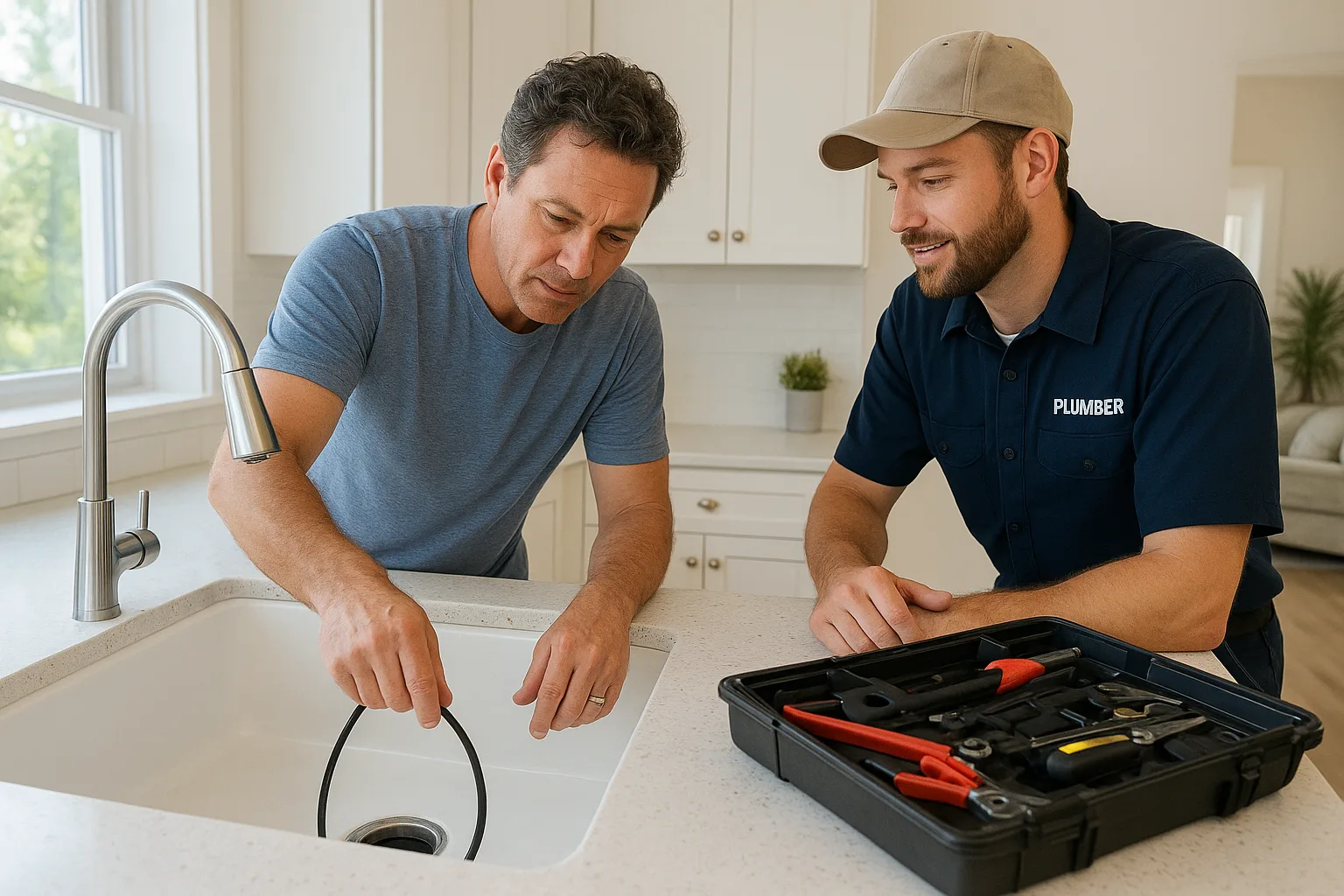
Why Freeport Homeowners Deal With Drain Trouble
Drain issues are common in homes across Freeport and the wider Walton County area. Between everyday use, older plumbing, and local conditions that can affect underground lines, even a well-kept home can develop slow drains or a sudden backup. The good news is that many problems give warning signs before they become a full emergency.
Professional drain cleaning is not just about clearing one blockage. It is about finding the cause, protecting your plumbing, and helping prevent recurring clogs. If you know what to look for, you can often catch trouble early and avoid bigger repairs later.
Common Signs Your Drains Need Attention
Some drain problems are obvious, while others build quietly over time. Homeowners often notice one fixture acting up first, then more drains begin to slow down. That pattern can point to a deeper issue in the line.
Slow drains in sinks, tubs, or showers
When water lingers in a sink or pool around your feet in the shower, there may be buildup inside the pipe. A shower drain clog often starts with soap scum, hair, and residue. A kitchen drain clog usually involves grease buildup, food scraps, or dish debris.
Gurgling sounds and drain odors
Odd noises can mean air is trapped behind a blockage. Bad smells from a sink, tub, or floor drain may suggest material is collecting in the line. Drain odors are often a sign that a clog is starting to affect how wastewater moves through the system.
Recurring clogs in the same fixture
If you keep clearing the same drain only for it to clog again, the issue may be farther down the line. Recurring clogs can happen when buildup is still attached to the pipe walls or when a bigger obstruction is narrowing the drain. Homeowners in Freeport often compare Water Heater Services in Freeport when they want a more focused look at repair or replacement options.
Multiple fixtures backing up at once
When more than one drain slows down at the same time, that can point to a larger branch line or main line issue. This is especially important to watch for because it may require sewer drain clearing rather than a simple sink-level fix.
What Usually Causes Drain Clogs
Most clogs begin with everyday materials that seem harmless at first. Over time, those materials collect inside the pipe and reduce the flow of water.
Grease buildup in kitchen lines
Even small amounts of cooking grease can harden inside a pipe. Once grease buildup starts, it can grab food particles and create a sticky blockage that gets worse with use. This is one of the most common reasons for a kitchen drain clog.
Hair, soap, and product residue
Bathroom drains often clog because hair combines with soap and shampoo residue. That mixture can form a dense mat inside the pipe, especially in shower drains and bathroom sinks.
Foreign objects and flushable wipes
Toilets are designed to handle only waste and toilet paper. Wipes, hygiene products, paper towels, and small objects can all cause toilet drain clearing issues. Even products labeled flushable can create problems in real plumbing systems.
Tree roots and damaged underground lines
Outdoor conditions matter too. Tree roots can enter small cracks in sewer lines and grow inside the pipe. Once that happens, you may see slow drains, repeated backups, or signs that the main line needs attention. In some homes, camera inspection is the best way to confirm whether roots or damaged pipe sections are part of the problem.
What You Can Try Before Calling a Pro
Some minor clogs can be handled with basic home steps. These methods are best for early-stage blockages, not major backups or repeated drain failures.
Use hot water carefully
For a lightly slow kitchen sink, hot water may help loosen soap or grease residue. Do not use boiling water on every fixture, especially if you are unsure how your pipes are built. Too much heat can be hard on certain materials. If you want a more service-specific breakdown, Water Purification Services in Freeport gives you the local details for Freeport.
Try a plunger on the right fixture
A plunger can help with a simple toilet or sink clog if the blockage is close to the opening. Make sure you are using the right type of plunger and that there is enough water to create a seal.
Clean visible drain covers and strainers
Removing hair or debris from a visible cover will not solve a deeper blockage, but it can improve flow and reduce strain on the drain. It is a simple habit that helps with prevention.
Avoid harsh chemical shortcuts
Store-bought drain chemicals may seem convenient, but they can be rough on pipes and often do not fix the real cause. If the clog returns, the line may need professional clogged drain cleaning instead of another temporary fix.
When Professional Drain Cleaning Makes More Sense
If the clog keeps coming back, affects several fixtures, or creates a backup, it is time to bring in a trained plumber. Professional drain cleaning can remove buildup more thoroughly than DIY methods and can help identify what is happening inside the line.
Camera inspection for hidden problems
A camera inspection lets a technician see inside the drain and sewer line. This can reveal grease buildup, root intrusion, sagging pipe sections, or other blocked line symptoms that are not visible from the fixture itself. It also helps determine whether the issue is isolated or part of a larger sewer drain clearing need.
Hydro jetting options for tougher buildup
For stubborn blockages, hydro jetting options may be recommended. This method uses high-pressure water to break apart buildup and clear the pipe walls. It is especially useful when repeated clogs suggest that debris is sticking inside the line instead of just sitting in one spot.
Emergency drain service for urgent backups
Some situations cannot wait. If wastewater is coming back up into a sink, tub, or toilet, emergency drain service can help stop the problem before it spreads to other areas of the home. Fast action matters when there is a risk of water damage or sanitation concerns. For readers weighing next steps in Freeport, Water Softening Services in Freeport is another useful service page to review.
How to Reduce the Chance of Future Clogs
Once your drain is clear, a few habits can help keep it that way. Prevention is often easier and less expensive than repeated service calls.
Be careful with grease and food waste
Never pour grease down the sink. Wipe pans out before washing them, and use sink strainers to catch scraps. These small steps can make a big difference in preventing kitchen drain clogs.
Watch what goes down bathroom drains
Hair catchers, regular cleaning, and keeping wipes out of the toilet can help reduce bathroom backups. If you have children or guests often using the home, a quick reminder about what should not be flushed can prevent a lot of trouble.
Schedule service if clogs keep returning
Recurring clogs are usually a sign that the pipe needs more than a quick surface fix. Periodic drain cleaning can help remove buildup before it turns into a complete blockage. If your home has older lines or nearby trees, a camera inspection may also be worth considering.
Local Help for Freeport and Walton County Homes
Homeowners in Freeport and across Walton County need plumbing help that is fast, practical, and focused on long-term results. Whether you are dealing with a kitchen drain clog, a shower drain clog, toilet drain clearing, or a larger drain backup, the right service should identify the cause and clear the line with care.
Clogged Drain Cleaning in Freeport provides drain cleaning solutions for homeowners who want real answers, not guesswork. If your drains are slow, smelly, or backing up, professional help can restore flow and reduce the chance of future trouble.
Need Help Now?
If you are dealing with slow drains or a backup in your Freeport home, call (850) 258-3225 for prompt drain cleaning support. You can also learn more at asuperiormechanical.com.
Frequently Asked Questions
Common signs include slow drains, gurgling sounds, drain odors, recurring clogs, and water backing up in sinks, tubs, or toilets. If more than one fixture is affected, the problem may be deeper in the line.
Small clogs may respond to a plunger, careful hot water use, or cleaning a visible drain cover. If the clog returns, affects multiple fixtures, or causes a backup, professional drain cleaning is usually the better choice.
Recurring clogs often come from grease buildup, hair and soap residue, foreign objects, or tree roots in the sewer line. A camera inspection can help find the source.
Call for emergency drain service if wastewater is backing up, several drains stop working at once, or you notice a serious drain backup that could cause water damage or sanitation issues.
Service Area
Need Drain Cleaning Help in Freeport?
Call Clogged Drain Cleaning in Freeport or request service online.
Request Service